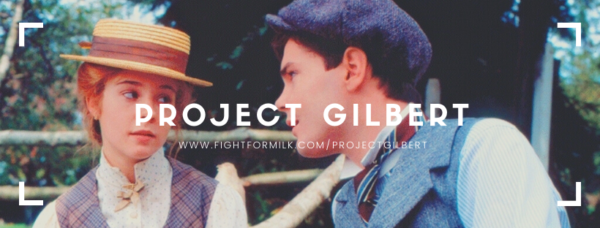
This is a guest post by my dear friend Tyler Blanski about what one of my favorite literary heroes can teach us. - Haley The world needs more Gilberts. The fictional (and admirable!) character Gilbert Blythe of the L.M. Montgomery’s Anne of Green Gables series seems to capture so many virtues that can help men succeed in their vocation to fatherhood today: he gives a standing ovation for … [Read more...]
7 High Quality Graphic Novels for Young Readers
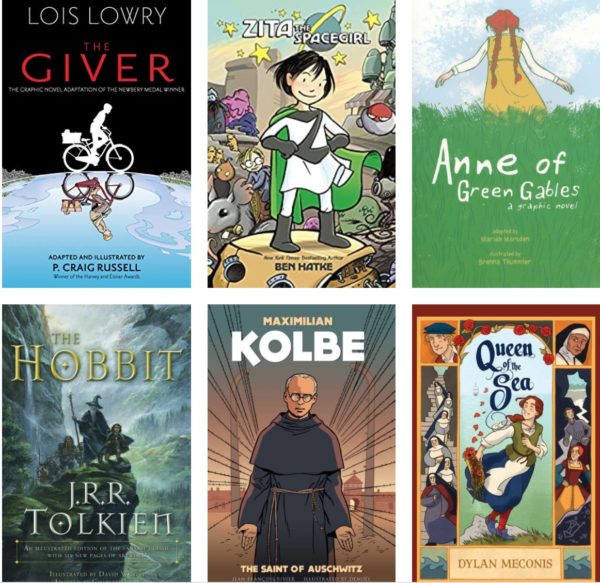
I shared all about our daily reading hour and suggestions for good summer reading choices for young readers last month. But I thought I'd follow it up with a post about good graphic novels. To be honest, I haven't always been excited about graphic novels. Captain Underpants and Dog Man make me want to tear my hair out. I have a visceral reaction! And I think because of some of the twaddle … [Read more...]
Escape to Rainbow Valley, Then Keep Fighting
Last week was hard. There were fresh waves of anxiety over a huge spike in Covid cases in my city. Relief that our curve was flat for so many months gave way to weariness and worry. Now each day we're getting more new cases than we had total from March to mid-June. Our curve is flat....just in the wrong direction: straight up to the sky. The city is open--and our total deaths doubled last week. … [Read more...]
A Very 2020 Kids Summer Reading List
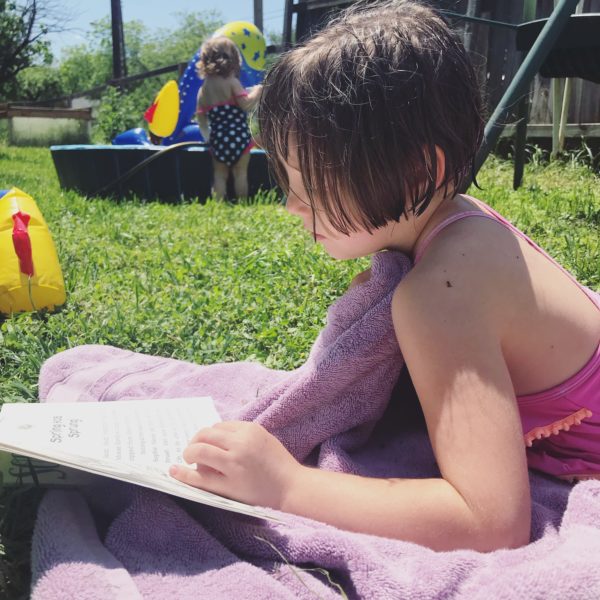
If there's one thing that has helped me keep my sanity while being cooped up over the past two months, it's our daily book time and seeing my kids deepen their love of reading. Because I've been getting lots of requests for book suggestions, I thought I'd share a few of our very favorites from our shelves (newly reorganized, thanks to quarantine angst)! I've found a lot of joy in sharing … [Read more...]
The False Gods of American Politics
“I’ve been uncomfortable speaking out against racism because it sounds like something a liberal would say.” “I’m struggling to reconcile my pro-life beliefs with ‘conservative’ policies that that deny the dignity of immigrants and the poor.” “I’m politically homeless because I think that the lives of unborn babies and black and brown people should be protected.” “I love the beauty … [Read more...]
Agonizing Over When to Return to Mass? Two Things to Consider
I’ve seen a lot of public conversation about reopening churches: people wanting the sacraments, people asking bishops to change their policies, people driving across state lines to attend a Mass, people who want to get on with their lives. What is not so public are the conversations within households as churches reopen and faithful families try to discern how to return. I’ve received so many … [Read more...]
How to Celebrate Holy Week at Home During a Pandemic
Holy Week is the best time of the year to be Catholic. It’s a tour de force of incredible liturgies. It’s my favorite week of the year and this year...well, it’s going to be different. I’m grieving the loss of our Holy Week Masses. A Holy Saturday without going to the Easter Vigil? Until a pandemic swept the globe it really seemed unimaginable. But here we are. It’s an Easter for … [Read more...]
‘Emma’ Film Review: A Delightful (but Slightly Flawed) Visual Banquet
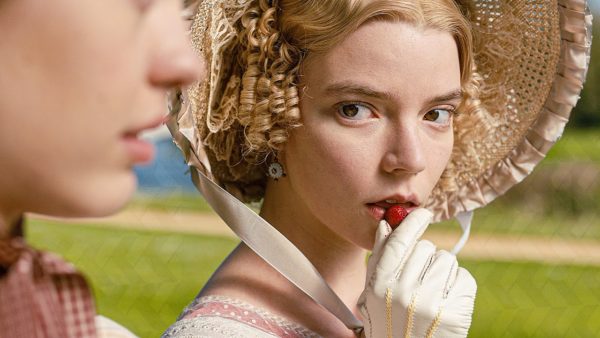
The very short list of good things resulting from this pandemic are people making their own bread, more time to read, and the new adaptation of Emma being released to stream in your living room. Yes, dear reader, Universal has heard your cries for Jane Austen and if you didn’t see it the movie theatre before they closed, you don’t have to wait for this viral outbreak to be over to watch Emma. … [Read more...]
CathLit2020: A Catholic Reading Challenge
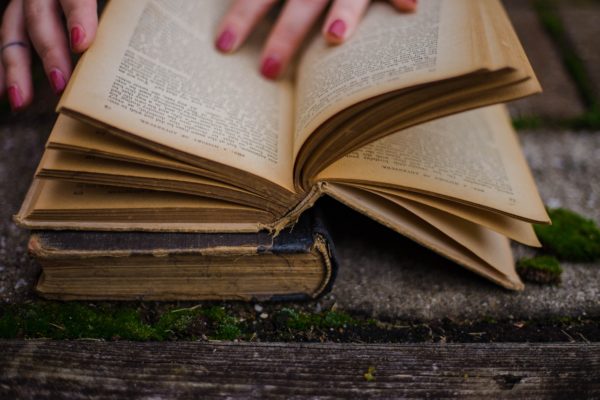
One of my favorite things about the internet is having more people to talk about books with. And I love the reading challenges from my favorite writers and bloggers that pop into my inbox at the beginning of January. Except, I'm never on the ball enough to get going on January 1. So here we are mid-January and friends, I am finally ready! Welcome to the CathLIT reading challenge. Get it? … [Read more...]
Looking for Marmee: Childhood Trauma, Cancer, and How Little Women Changed Our Lives
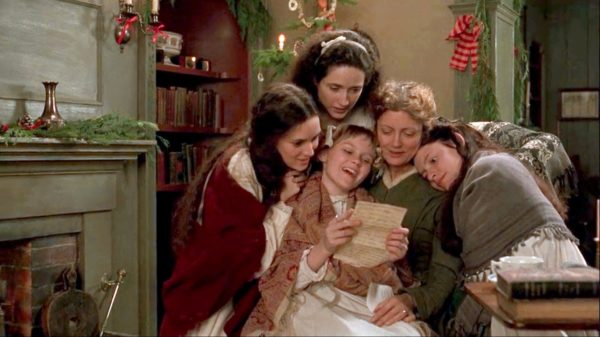
If all goes as planned, on Christmas Day my mother and I will show up at the movie theatre with my six-year-old and eight-year-old daughters to see Greta Gerwig’s new adaptation of Louisa May Alcott's classic novel Little Women. It will be exactly twenty-five years (to the day) since I watched the 1994 film with my mom when it opened in theatres. This upcoming cinematic rite of passage has … [Read more...]
