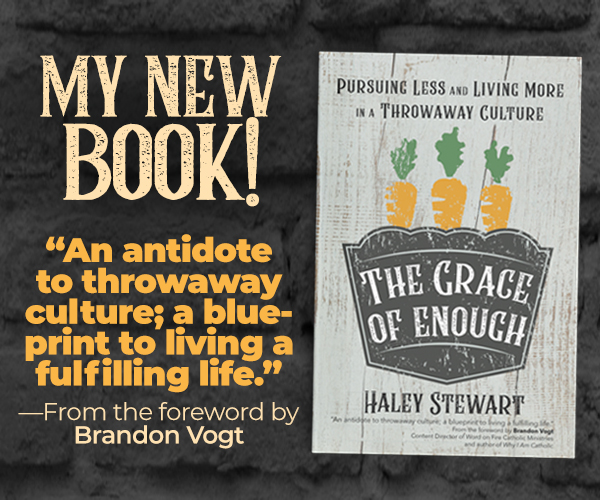
2018, you were quite a year. (Don't believe me? Read the recap--book, baby, and so much more crammed into 12 months). I don't have big plans for 2019, but I'm thrilled it's beginning. I have book ideas simmering but no proposals or contracts in the works for a new book deal. We're not moving, changing jobs (God willing), or doing anything more crazy than homeschooling 4 kids on our little urban … [Read more...]
Why I Don’t Want to Be “Healthy”
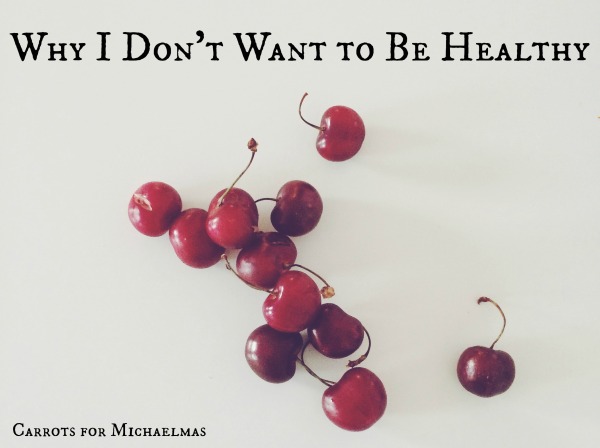
Health. It’s a good thing, right? Our bodies matter. We’re not just spiritual beings, we’re physical, too. That’s how God designed us and ignoring that….well, it’s just silly. And gnostic. So taking care of our bodies matters. Seeking to nourish them with good food and maintain an active lifestyle has a deeply moral dimension. But you know what makes me really uncomfortable? When we turn diets and … [Read more...]
Keep the crock: A ridiculously simple discovery about cooking with a pot
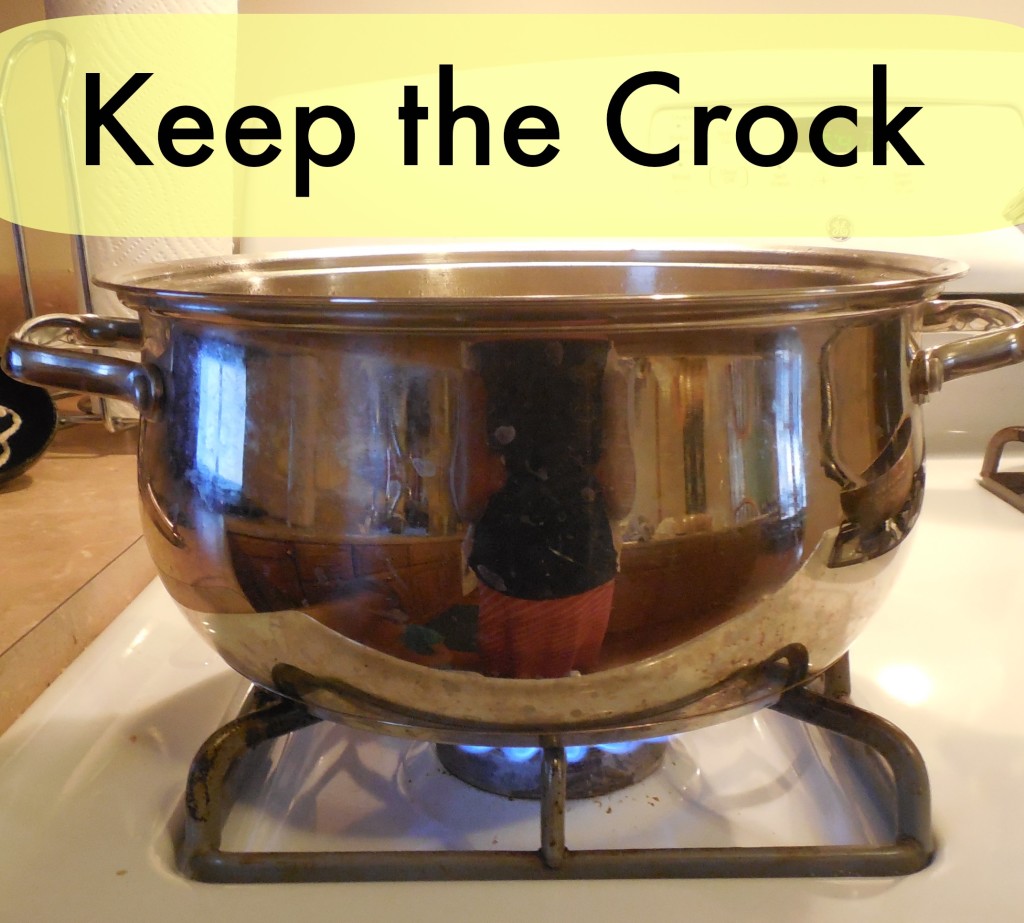
Guest post by Bonnie of A Knotted Life: I married a man who owned a crockpot. Because he already owned one we did not include a crockpot on our wedding registry. Two people noticed that glaring oversight and gifted us slow-cookers. On the first day of our marriage we were the proud owners of three crockpots. That’s a lotta crockpots. For the first six years of our marriage we used our … [Read more...]
Our Favorite Breakfasts
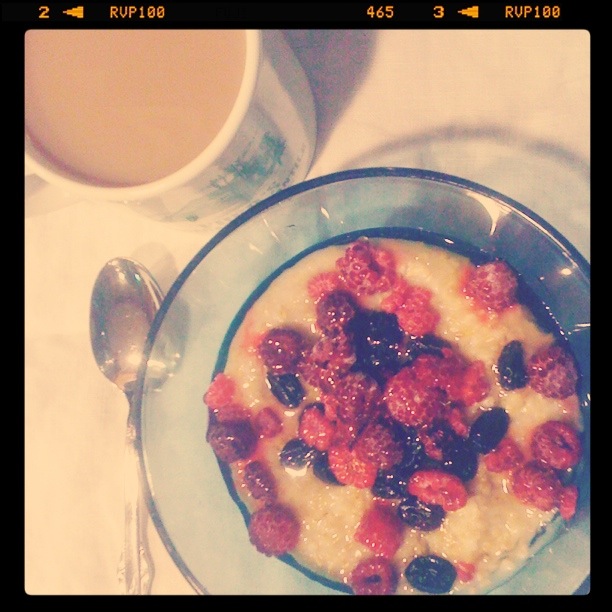
Breakfast has always been my favorite meal of the day. Maybe because I love eating anything I can cover in butter and jam. When I was a little girl, my parents would take me to Cracker Barrel and I would amaze bystanders with the sheer volume of biscuits a tiny 4-year-old could eat. Having a child with a severe gluten allergy has significantly diminished my biscuit consumption, but I still love … [Read more...]
Kids in the Kitchen: Introducing Your Children to Cooking
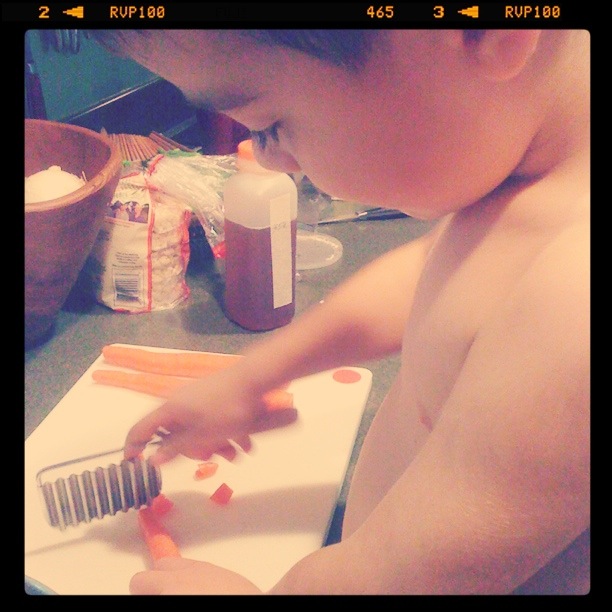
From the time our firstborn could sit up in a high chair and watch us cook, we would hand him some measuring cups and spoons to play with so he could "participate." Our kitchen is definitely the center of our home and we like to have our kids in the kitchen with us. And kids LOVE to be kitchen helpers; however, sometimes cooking with children can be more frustrating than fun. Here’s some tips for … [Read more...]
How to Gift Friends with Meals
I love this post by my dear friend Katherine full of wonderful tips for bringing the gift of food to friends in need of a home-cooked meal. Enjoy! - Haley I’ve been on the receiving end thrice recently: of a lasagna brought by a friend when I was laid low with morning sickness; of a half-dozen hearty Southern meals at my grandfather-in-law’s funeral; of a fill-the-freezer campaign by my … [Read more...]
Food Choices ARE a Moral Issue
I recently read a very popular blog post, Food Choices Are Not a Moral Issue, on one of my favorite blogs, Keeper of the Home by Mandi Ehman of Life Your Way (another blog I read and enjoy). Mandi writes a lot of great stuff and I usually like her posts, but in this case, I wholeheartedly disagree with her claim. You can read the post here. Basically, Mandi bemoans the rigid judgmentalism of … [Read more...]
Why Using a Slow Cooker Makes Me a Better Mom
“Really, Haley? A better mom?” you ask. Folks, I’m serious. Here’s the deal: 4-5pm, when I’m trying to prepare dinner, also happens to be the hour of the day that my kids suddenly NEED me. Baby Lucy decides that not being held is some kind of baby torture and grabs my ankles and bawls. Any other time of the day I would gladly just scoop her up but when I’m sautéing onions in hot bacon grease or … [Read more...]
The Solemnity of the Annunciation and Back Porch Dining
Just a quick post of instagrams today. We've been fighting colds at our house and life is busy, busy. For the Solemnity of the Annunciation, I made Sweet Potato and Carrot Lentil Curry Soup and Spelt-Flour, Dairy-free biscuits (hello, bacon grease!) for Benjamin and my gluten intolerance and his dairy allergies. It's been so beautiful outside that last night I set up a table on our back … [Read more...]
10 Ways to Nurture Positive Body Image for Your Daughter

I’m not an expert. My daughter’s a baby and whether she’ll turn out to have a positive body image is yet to be seen. But, I’ve learned a few things about the challenge of nurturing a positive body image over the past two and a half decades from growing up as a girl in our weight-obsessed culture, watching my mother thoughtfully and intentionally raise me, and as a ballet teacher seeing … [Read more...]
